
Understanding Australian Noble Rot Wines
- it1059
- Jun 1
- 3 min read
Noble rot sounds mysterious, doesn’t it? But it’s actually a fascinating natural process that transforms grapes into something truly special. If you love Australian wines or are curious about unique wine styles, you’re in the right place. Let’s dive into the world of noble rot and see how it shapes some of Australia’s finest wines.
Discovering Australian Noble Rot Wines
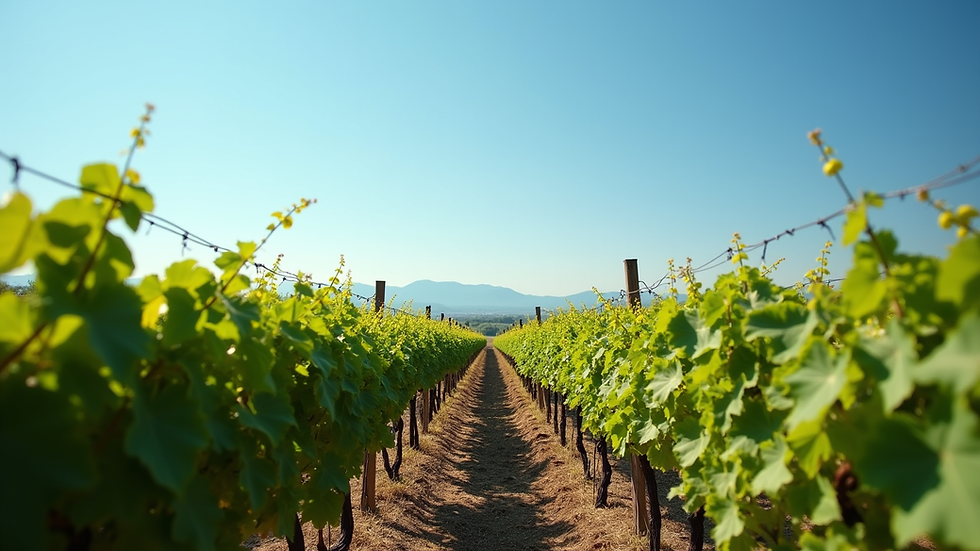
Australia is famous for its bold reds and crisp whites. But did you know it also produces exquisite sweet wines thanks to noble rot? This fungus, Botrytis cinerea, can be a winemaker’s best friend when conditions are just right.
Here’s how it works: when the weather is humid in the morning and dry in the afternoon, noble rot attacks the grapes. It shrivels them, concentrating sugars and flavors. The result? Intensely sweet, complex wines with notes of honey, apricot, and ginger.
Regions like the Hunter Valley and Rutherglen have mastered this art. Their botrytised wines are prized for their balance and richness. These wines pair beautifully with desserts, cheese, or even on their own as a treat.
Want to try some? Look for labels mentioning “botrytis” or “noble rot” on Australian sweet wines. You’ll be surprised by the depth and elegance they offer.

What is another name for noble rot?
Noble rot is also known as Botrytis cinerea. But in the wine world, it’s often called “pourriture noble” in French, which means noble rot. This name highlights its positive role in winemaking, unlike the regular grey rot that ruins grapes.
The fungus selectively dehydrates the grapes, concentrating sugars and acids. This process is delicate and requires perfect weather conditions. Too much moisture, and the grapes rot badly. Too dry, and the fungus won’t develop.
This balance is why noble rot wines are rare and special. They showcase nature’s magic and the winemaker’s skill in harnessing it.
How does noble rot affect Australian wines?
Noble rot changes everything about the grapes. It:
Concentrates sugars: Grapes become super sweet.
Enhances flavors: Think honey, dried apricot, marmalade, and ginger.
Alters texture: Wines become luscious and silky.
Increases acidity: Keeps the wine fresh and balanced.
Australian winemakers use noble rot to craft dessert wines that stand out globally. These wines are not just sweet; they have layers of complexity and a long finish.
For example, the Hunter Valley’s botrytised Semillon is legendary. It ages beautifully, developing rich, nutty aromas over time. Rutherglen’s Muscat and Topaque wines, while not always botrytised, share a similar sweet intensity and are beloved by many.
If you want to explore noble rot wine australia, start with these regions and styles. You’ll find wines that tell a story of climate, soil, and tradition.

Tips for enjoying noble rot wines
Noble rot wines are a treat, so enjoy them right! Here’s how:
Serve chilled: Around 10-12°C is perfect.
Use small glasses: Their intense aroma fills the glass quickly.
Pair wisely: Try with blue cheese, fruit tarts, or foie gras.
Sip slowly: Let the wine’s layers unfold on your palate.
Store properly: Keep bottles upright in a cool, dark place.
These wines also make fantastic gifts. Their unique character and story impress any wine lover.
Why noble rot wines matter in Australia
Australia’s climate is challenging for noble rot. It needs just the right mix of humidity and dryness. That’s why these wines are rare and precious here.
But when conditions align, the results are stunning. Noble rot wines add diversity to Australia’s wine scene. They offer something different from the usual Shiraz or Chardonnay.
Plus, they connect us to centuries-old winemaking traditions from Europe, adapted to Australian terroir. This blend of old and new makes noble rot wines exciting and worth exploring.
If you want to learn more or find your next bottle, check out noble rot wine australia. You’ll discover a range of options to suit your taste and occasion.
Bringing noble rot wines to your table
Ready to add noble rot wines to your collection? Here’s a quick checklist:
Look for Australian sweet wines labeled botrytised or noble rot.
Explore Hunter Valley Semillon and Rutherglen fortified styles.
Pair with desserts or savoury dishes for a flavour boost.
Store bottles carefully to enjoy their full potential.
Share with friends and celebrate special moments.
These wines are perfect for family gatherings, celebrations, or quiet evenings. They bring a touch of elegance and a story worth sharing.
So, next time you want something unique, reach for an Australian noble rot wine. You’ll taste the magic of nature and craftsmanship in every sip.
Enjoy the journey into noble rot wines! They’re a delicious way to explore Australia’s rich wine heritage and add sparkle to your special moments. Cheers!



The design features of Taren Point Business Centre raise intriguing questions about sustainability in industrial buildings. The emphasis on natural light and ventilation suggests a modern approach, but it’s essential to assess the long-term impacts of such design choices. The integration of elements like sun shading can potentially reduce energy costs. Overall, the success of the project hinges on balancing functionality and environmental considerations, particularly regarding the JackpoJjill https://digi-parenting.co.nz/ approach to construction.
The article offers an intriguing look into the process of noble rot and its significance in Australian winemaking. However, I wonder about the accessibility of these unique wines. With noble rot being so rare and dependent on specific climatic conditions, how do smaller wineries manage to compete? Their stories could be as captivating as the wines themselves. Perhaps exploring this topic can shed light on the future of the industry, especially among those lovers of wines who also enjoy games like Payid Pokies https://wrhpc.org.nz/ in their leisure time.
The discussion surrounding noble rot is quite intriguing. It highlights how the delicate balance of humidity and dryness can elevate the grape, transforming it into a remarkable wine. However, the impact of climate change on this process cannot be ignored. As conditions become more unpredictable, the future of noble rot wines may be https://razed.eu.com/ razed by environmental changes, potentially altering their availability and characteristics.
The discussion about noble rot and its impact on Australian wines invites a deeper examination of how unique environmental factors can influence quality and character. While the article emphasizes the allure of these wines, one might wonder how the nuances of such cultivation compare to other industries like gaming, where The Pokies https://www.arg.org.nz/ also showcase the importance of circumstance in delivering varied experiences. What parallels can we draw between the meticulous nature of winemaking and other realms?
After examination, the interpretations show no exaggeration and remain grounded. Qualitative assessments are matched by quantitative support. The website fills in contextual gaps left by the primary source. Engagement flows are contextualised by local digital infrastructures.