
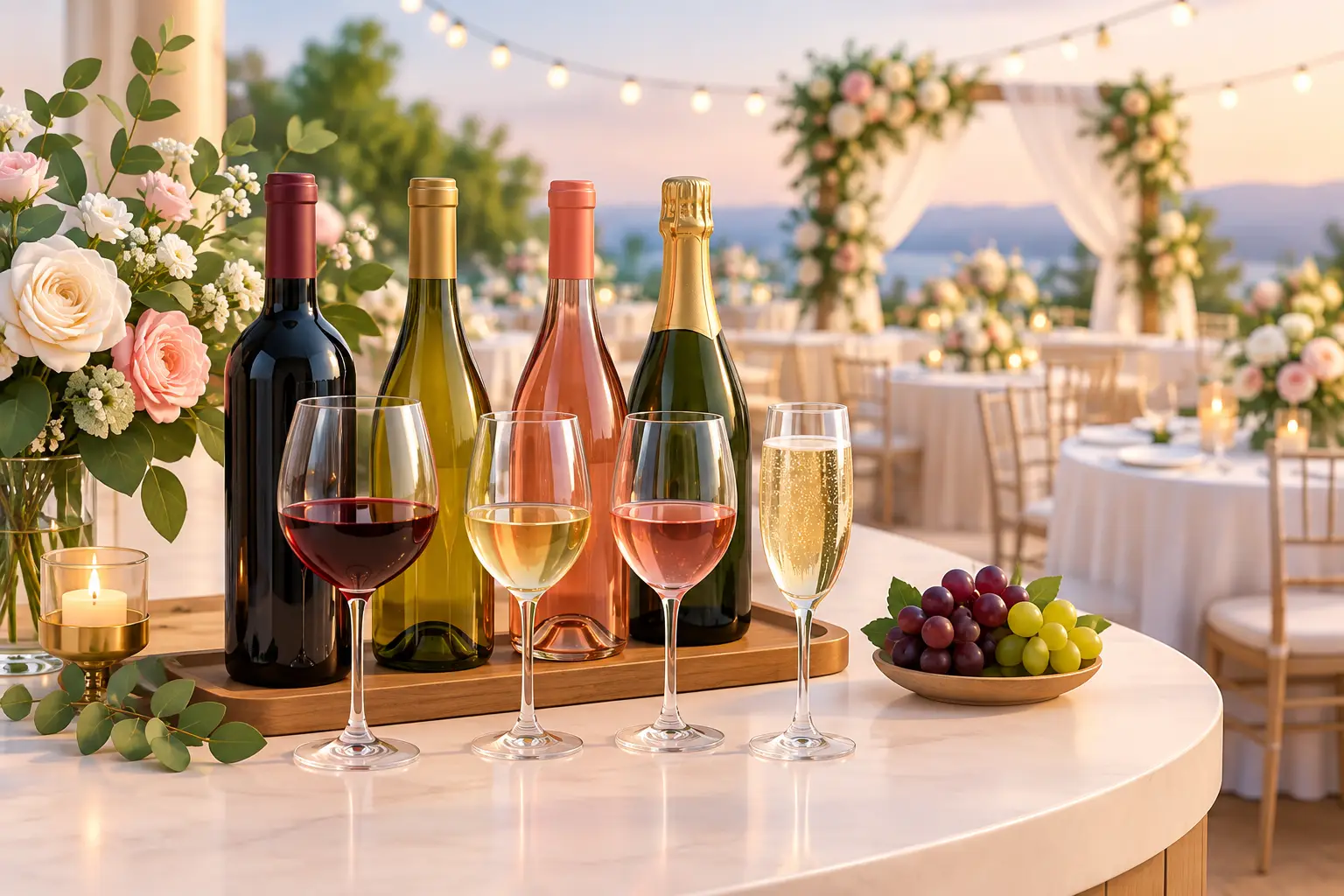
Best Wines for Wedding Reception Made Simple
The first glasses poured after the ceremony set the tone for the room. The best wines for wedding reception celebrations do more than match the menu: they welcome every guest into the occasion, carry the conversation from canapés to cake, and look considered on every table.
A memorable wine selection need not mean an encyclopaedic list or a cellar-door briefing between courses. For most Australian weddings, a well-chosen sparkling wine, two versatile still wines and an elegant alcohol-free alternative create generous choice without making the bar feel overcomplicated. The detail lies in selecting wines with character, freshness and a clear place at the table.
Start with the reception, not the wine list
Before choosing varieties or calculating cases, consider the shape of the celebration. A long lunch in the Barossa, a waterfront cocktail reception in Sydney and a candlelit dinner in Melbourne each ask something different of the drinks service. Season, venue, guest numbers, meal style and the length of the reception will guide the balance more reliably than any fixed rule.
For a relaxed afternoon event, chilled sparkling wine and crisp whites often lead the way. At an evening reception with a substantial plated meal, guests usually settle into a more even mix of white and red. A summer marquee calls for bright, refreshing styles served cold, while an autumn or winter celebration gives fuller reds more room to shine.
Think, too, about how wine will be served. Roaming canapés favour wines that are immediately appealing without food. A shared feast is wonderfully suited to flexible, food-friendly styles that pass easily between dishes. If the bar will remain open for dancing, keep a sparkling option and a light, fresh still wine available later in the evening.
The best wines for wedding reception tables
Sparkling wine for the arrival
Sparkling wine earns its place at nearly every wedding because it makes the first toast feel like an occasion. Choose a style with lively acidity and fine bubbles rather than pronounced sweetness. It will refresh guests after the ceremony and sit beautifully alongside salty, creamy or delicate canapés, from oysters and prawns to arancini and soft cheeses.
Brut sparkling wine is the natural all-rounder. It is polished enough for speeches, yet relaxed enough to pour as guests arrive. If a Champagne-style moment is central to the day, reserve your finest sparkling for the toast and offer a similarly fresh Australian sparkling wine throughout the reception. That approach protects the budget without reducing the sense of celebration.
Serve sparkling properly chilled, but not icy. A little care with temperature brings forward citrus, orchard fruit and brioche notes, while allowing the wine's texture to show.
A white wine with freshness and generosity
A dry, aromatic white or a refined Chardonnay gives your reception a dependable second act. Sauvignon Blanc and Semillon Sauvignon Blanc blends bring lifted citrus and herbal notes that suit seafood, chicken, salads and bright vegetarian dishes. They are particularly appealing at warm-weather weddings, where a glass with energy is often the first choice.
Chardonnay offers a different kind of versatility. A modern Australian expression with stone fruit, citrus and measured oak works beautifully with roast chicken, richer seafood, creamy sauces and dishes with a little smoke from the grill. Avoid choosing solely by reputation or a familiar label. The best fit is a wine whose weight matches the food and the mood of the meal.
For weddings with a broad range of guests, one crisp white and one textural white can be worthwhile if the menu is expansive. For smaller receptions, choose one excellent white and serve it with confidence.
A red wine that does not overpower the table
Shiraz is an unmistakable South Australian favourite, especially alongside lamb, beef and slow-cooked dishes. Its ripe dark fruit, spice and generous palate can feel perfectly at home at an evening reception. Yet a powerful Shiraz is not always the right choice for a mixed menu or a warm day. Look for balance and freshness, with enough structure for food but no need for guests to pause after every sip.
Pinot Noir provides an elegant alternative. Lighter in body, fragrant and supple, it works across poultry, duck, mushrooms, salmon and many vegetarian dishes. It is also a thoughtful inclusion where guests may prefer red wine without the weight of a fuller style.
A polished Cabernet Sauvignon or Cabernet blend suits a formal dinner with red meat at its centre. Its structure and cassis character can be superb with the right food, though it is generally best as a deliberate menu match rather than the only red on offer. If you are choosing one red for everyone, a balanced Shiraz or medium-bodied Pinot Noir is usually the more welcoming call.
A proper celebratory option without alcohol
An alcohol-free choice should feel like part of the celebration, not an afterthought beside the soft drinks. Premium sparkling grape juice offers the ceremony of a flute, the pop of a cork and a bright, festive pour for designated drivers, pregnant guests, younger adults and anyone choosing not to drink.
Place it on the menu and have it poured for the toast alongside sparkling wine. This simple gesture makes every guest part of the moment. Maison Blue's premium non-alcoholic sparkling grape juice is made for precisely this kind of shared occasion - refined in presentation, generous in spirit and suited to the wedding table.
Match the wines to the menu's main flavours
Wedding menus are rarely built around a single dish, which is why versatile wines matter. Rather than pairing every course with a different bottle, identify the menu's dominant flavours. Fresh seafood and citrus-led starters call for sparkling wine or lively whites. Roasted poultry, pork and vegetarian mains with herbs or cream sauces suit Chardonnay and lighter reds. Lamb, beef and smoky barbecue flavours welcome Shiraz or Cabernet styles.
Spice, heat and sweetness require a little more restraint. Very tannic reds can make chilli seem hotter, while an overtly dry white may feel sharp next to a sweet glaze. A fruit-forward sparkling, aromatic white or softly textured rosé can bridge these dishes with greater ease. Rosé is especially useful at outdoor receptions: dry, pale and refreshing, it moves naturally from canapés to grilled fish, charcuterie and summer salads.
Dessert wine is a lovely optional flourish, particularly for a smaller formal reception or a dessert table with blue cheese, stone fruit, caramel or chocolate. It does not need to be offered to every guest. A modest pour after the meal creates a warm final note for those who wish to linger.
How much wine to order
The right quantity depends on guest habits, timing and what else is served. For a four to five-hour reception with beer, spirits or cocktails also available, plan on approximately half a bottle of wine per adult guest as a starting point. If wine is the principal drink offering, move closer to three-quarters of a bottle per guest.
Use your guest list to adjust the split. A summer daytime wedding may lean towards 45 per cent sparkling and white, 30 per cent red and 25 per cent beer, cocktails and alcohol-free drinks, depending on the bar plan. A winter dinner may see red wine take a larger share. Keep a small contingency of each key style, especially sparkling, but do not over-order niche bottles that only suit one course.
Ask the venue about service conditions before finalising numbers. Confirm whether it provides glassware, ice, refrigeration, bar staff and storage, as these practical details can affect how well the wines show. If you are supplying wine yourself, check corkage and delivery windows early so there are no last-minute surprises.
Make the wine service feel considered
A few thoughtful choices elevate the experience. Chill whites, rosé and sparkling well in advance. Reds should be cool rather than warm, particularly in Australia where reception rooms and marquees can heat quickly. Open reds shortly before dinner, and let staff know which wines are intended for the toast, meal and later bar service.
Keep the printed drinks offering clear. Guests do not need tasting notes for every bottle, but knowing there is a sparkling wine, white, red, rosé and alcohol-free sparkling option helps them choose comfortably. If there is a toast wine, make sure the alcohol-free alternative is visible and ready at the same time.
The most successful wedding wine lists have a sense of generosity rather than excess. Choose bottles you would be pleased to share, serve them at their best, and leave room for every guest to raise a glass in their own way.


Comments